Saturday, 24 March 2018

These 5 Entrepreneurs Share Their Best Advice They’d Give to Their Younger Selves

What do you wish you knew when you first started as an entrepreneur? Was there a misstep you took that set you back? We can all relish on what it was like when we first started. There were probably many ups and downs, along with good and bad memories.

Picture yourself sitting in a room with your eighteen-year-old self. You decide to walk up to yourself and you’re going to give them the best piece of advice on what it takes to start a successful business. That’s exactly what the entrepreneurs in this article did.

Below, 5 entrepreneurs share the advice they would give their younger selves:

1. Jay Papasan

Jay Papasan is a best-selling author who has co-authored the books, The One Thing, and The Millionaire Real Estate Agent. Jay works as vice president and executive editor at Keller Williams.

While looking back, Jay said he wishes he was clear from the start on what he was trying to accomplish. He realized that his intentions weren’t clear early on in his career. People say they want to become successful, but what does that mean? Everyone has a different version of what it means to become successful. What is your version of success?

By getting clear on what you want, you can break down your goals. You can start with a five-year goal and break it down into a weekly goals you need in order to achieve the bigger one. Nonetheless, you can’t set a five-year goal if you don’t know what you’re actually trying to chase. Be clear on what you want and then start taking massive action.

“I believe the last thing I read at night will likely manifest when I’m sleeping. You become what you think about the most.” – Daymond John

2. Bedros Keuilian

Bedros Keuilian is a renowned fitness business expert and CEO of Fit Body Boot Camp, the world’s fastest growing gym chain. When you’re the founder of the world’s fastest growing gym chain, you will be under enormous amounts of stress. You can either let that stress eat you up or you can do something about it.

Bedros learned from an early age that the best way to deal with the stress is through working out. He’s taken this idea to heart and works out every day. This doesn’t have to be hitting the gym, it can be as simple as doing yoga or a quick run, anything that’ll help release your stress and allow you to come back better than before.

3. Alan Burak

Alan is the founder of the renowned investment firm, Never Alone Capital, where he specializes in helping every day traders understand the power of options. Alan learned early on, especially in the investment world, that where you put your focus, energy will flow.

When the crash of 2007-08 happened, Alan could’ve had a negative energy flow, but he knew there was money to be made. No matter what your situation is, there’s never a reason to be negative.

In most situations, they are the cause of your own fault. Life shouldn’t be easy because if there was predictability, it wouldn’t be interesting. Deal with the highs and lows that come with being an entrepreneur.

If you don’t like the job you’re working or a client screwed you over, what can you do to better your situation? Do you think complaining about your previous client will help? Of course not! You could use your time to prospect new clients. When you’re positive, positive events will appear in your life but, don’t forget the same can be said if you’re negative.

4. Grant Cardone

Grant Cardone is a New York Times Best-Selling Author, creator of Grant Cardone TV, CEO of four businesses, and currently has over $400 million worth of real estate holdings.

If you’ve never heard of Grant Cardone, he has an amazing story. I don’t want to play spoiler too much but when he was in his twenties, Grant was addicted to drugs. He inevitably turned his drug addiction into working on his business. Grant understood the power of addiction if you’re using it the right way.

Everyone is addicted to something whether that be their phone, working out, or even drugs. Take those addictions and put it towards your work. Instead of checking your phone when you wake up, use that time to read a book or put time in your business.

Most people want to complain about their situation without making the necessary changes to improve their lives. Addictions don’t have to be bad. Use any addiction you have right now and put it towards the work you’re trying to accomplish.

“There’s no shortage of money, only of people thinking big enough.” – Grant Cardone

5. Andy Frisella

Andy Frisella is the founder of Supplement Superstores, Paradise Distribution, and the renowned fitness brand 1st Phorm International. His companies combined, bring in more than $100 Million Per Year.

Andy dropped out of college to start his supplement store. He wishes he would’ve known that he didn’t have to undercut his prices to become successful. Andy would cut his prices and the result of that was he could barely make a profit.

If someone came into his store and purchased $400 worth of items, he’d give them 20% off because $400 was a lot of money to him. However, just because $400 was a lot of money for Andy, doesn’t mean it was to his customer.

When you’re creating a product or service, never discount your price because you never know how much your customer would pay. Your views on money won’t match up to someone else’s views.

I want you to think back on your younger-self. What do you think you would’ve said to him or her? How do you think your life would’ve changed if what you know now, you knew back when you were first starting? Let us know in the comments below!


from
https://addicted2success.com/entrepreneur-profile/these-5-entrepreneurs-share-their-best-advice-theyd-give-to-their-younger-selves/

Friday, 23 March 2018

The Only Way to Be Successful Is to Do What Successful People Do

In the not-so-distant past, I didn’t know the first thing about success. I was aimless and lacked the passion to achieve. I was stuck in a hopeless rut and couldn’t get out. Over the years, I’ve learned something; even if you are not yet successful if you DO the things that successful people do you will soon be so yourself.

In my analysis of successful people, I’ve discovered three traits that, when modeled consistently, most often lead to success when none was otherwise present:

1. Be Committed

Successful people all do two things without fail: They start and they continue. Both are facets of committing to success. How could any successful person become so if they did not start the journey? All great success stories begin with a dream that was acted on.

For these people, it didn’t matter if all the answers were known, all the resources secured, or the timing just right. People who are successful now at some point began. Whatever it is that you’re waiting for, get over it. The only way you can reach success is to begin.

Of course, once you start you are guaranteed to encounter adversity. It’s part of the journey towards success. But you must walk through that difficulty if you want to get to the other side. You can’t give up. No one who achieved their dreams ever did. So, if successful people don’t give up, then that’s the quality you have to have, too. If you want to know success, do what successful people do— be committed.

“There’s no abiding success without commitment.” – Tony Robbins

2. Act Confidently

There is probably nothing more powerful to kick-start success than practicing confidence. Think of any successful person—Elon Musk, Oprah Winfrey, Jeff Bezos—and you can’t help but see their confidence pouring through.

The fantastic thing about confidence is that it doesn’t have to only be a result of success,  Confidence can be a cause. As we act confidently, we produce the actual state of confidence that we need to be successful.

Even when we feel a bit like an impostor, just faking it can get us through it.  As we live and work and move with confidence, slowly the feeling will take over on its own and carry us through.

How exactly can you act confidently to get your desired results? You do what actors do – you get into role.

  • Think like a successful person. You get into the success role by thinking like successful people. Thoughts are powerful and success thoughts, when backed with strong belief, have the capacity to change the world around you. Remove any concepts of failure and begin to think exactly like a winner would.
  • At the same time, imagine what a person of great achievement would be feeling. Successful people aren’t devoid of emotions. In all actuality, they have them in large quantity—they just know how to isolate them to a range of highly-empowering ones. Begin to feel emotions of joy and healthy personal pride for who you are becoming and the things you are about to do. Feel the success and your confidence will skyrocket.
  • Take on their physiology. This is where you physically model accomplished people. People like this have a way of breathing, of holding their posture, of interacting with others. It is scientifically documented that manipulating your physiology can produce confidence. Begin to act confident and you can’t help but become it.

3. Be Other-Centered

All successful people are focused on others. That’s because a person can’t rise to success without the help of other people. The late, Zig Ziglar had a popular saying:  “You can have everything in life you want if you will just help enough other people get what they want.”

How true that is, but success is more about financial gain. More and more of today’s elite achievers are recognizing that success is found in the impact you leave on the world.

“I must admit that I personally measure success in terms of the contributions an individual makes to her or his fellow human beings.” – Margaret Mead

Brian Tracy has said, “Successful people are always looking for opportunities to help others. Unsuccessful people are always asking, ‘What’s in it for me?’ All people have practical, emotional, and spiritual needs. As you help others, you increase your credibility as a caring person and someone who can make a difference in the lives of others. This type of credibility will catapult your influence farther than any other.

So what is the best way to help others? Offer help without regard to your personal agenda. When you have nothing to gain your help is going to be seen as the most genuine. That allows it to hit far deeper and lets your impact (the true measure of your success) be much greater.

Successful people also contribute and create dialog! Please share your comments at the bottom of the page and keep the conversation going.


from
https://addicted2success.com/success-advice/the-only-way-to-be-successful-is-to-do-what-successful-people-do/

14 Days To Transform Your Life – Growth Hack Your Way To The Life You’ve Always Wanted.

The fact is none of us are going to wake up tomorrow and drastically transform our life in 24 hours.

“Small changes eventually add up to huge results” – Unknown

This reality is okay though. We can start small and then build our way up. That’s how I’ve transformed my own life and you can do the same. This post is about a fourteen-day plan that you can use to get you well on the road to personal transformation.

The fourteen-day plan is easy, simple, clear and a bit of fun too.

The first few days will start off with small activities and then we’ll gradually build up to some bigger changes you can experiment with.

As a side note, I used the phrase growth hack in the title of this article for you cool techies who are obsessed with this phrase or even the startup life. Either way, the advice in this article will work for anyone who’s willing to execute on the plan.

Here’s the 14-day plan to transform your life:


Week 1

To start off with, this week is all about creating space and minimizing everything in your life.


Day 1:

Start with a clean slate. Everything you tried up until now is in the past. Throw away any failures you may have had and start the first day fresh.


Visualise how you want to feel at the end of the 14-days. I don’t want you to do anything else on day one. Empty space and time to think are so important.


Day 2:

Write two big goals you want to achieve in the next twelve months (no more!). Write down why they are crucial to your life and how you’ll feel at the end.

Connecting with positive feelings gives you a jolt of motivation. As humans, we’re driven by how things make us feel.

As an example, my two big goals right now are to nail five speeches and change careers. Nice and simple and both are major changes.


Day 3:

With your two goals floating around in your head, let them simmer for a bit. In the meantime, we need to create space in your life. This starts with one huge clean-up. Throw out everything that doesn’t bring you joy or makes you feel bad (feelings again are front and center).

When I did my own clean out, I threw away more than 50% of my possessions and donated lots to charity. Your stuff is taking up space in your life which will be needed to execute on your two big goals.


Day 4:

Continuing the theme of minimalism and making space, today is all about cleaning your work area. We all have one space that we use to sit down and do work. That work might be reading, browsing the internet, writing, doing business stuff and preparing presentations.

“Taking objects away from your work area will give your mind a feeling of freeness that is hard to describe”

I also want you to take objects away from your digital workspace as well. I recently deleted more than 500 GB of junk that I never access on my computer.

At the same time, I also threw away six hard drives that were storing more junk on them which I no longer needed. The biggest space to clean is the desktop of your computer. Put things in folders and get them off the desktop!


Day 5:

Today is all about analyzing your calendar. Where is all your time spent? After this exercise, I decided to wipe my calendar and only have the following: gym, writing, time with my girlfriend, public speaking and that’s all. Everything else was deleted.

There are many tasks we sign up to that stop us from going deep on our priorities.

“Until you look at your calendar with a fine-tooth comb, you’ll be blindsided by the time you waste”


Day 6:

It’s time to book your next holiday. As Tim Ferriss described on his popular podcast, scheduling holidays in advance gives you something to look forward to and it allows you to start getting the benefits long before you leave for your trip.

I recommend booking your next holiday six months in advance. Pick somewhere you want to go and then book it. There’s nothing like a financial commitment to keep you accountable. I never used to do this and then somehow, I always seemed to be too busy for a holiday.

Your mind needs space if you are really going to be able to get the benefits from this 14-day transformation. Holidays are a time to reflect and avoid distractions.


Day 7:

To finish the first week off I want you to adopt an “I don’t give an F attitude to life.”

This doesn’t mean you should take drugs, party hard and be reckless. The attitude I want you to adopt is the following:

– No longer getting upset by people’s opinions.
– Quitting the comparison game and living your own life.
– Be you both at work and at home. Remove the mask.
– Do stuff because you want to not because you have to.
– Stop overthinking and follow your gut.


Week 2

This week is focused on your health and adding new habits.


Day 8:

The first item for health week is to see your doctor or naturopath and have some blood tests. You can’t do much unless you know where your health is at today. I had this done recently and my naturopath found that I had both high amounts of mercury and arsenic in my blood from too much seafood. This problem was making me both tired and sick.

The tests you need to take will vary based on the individual. I’d recommend at least a heavy metals test, a cortisol test and a hormone test to get you started. When the results come back, you’ll have a good guide of what you need to change. Health equals energy to do your two big goals.


Day 9:

Sugar is messing with your health. You know it, your dog knows it and so does your neighbor. Let’s not try and go zero sugar from the start or you’ll relapse. In this 14-day transformation, I want you to delete only one sugar habit. This will give you the willpower and discipline to delete more sugar habits by yourself later on.

Sugar habits include the following: coffee with sugar, soft drink, bread, cow’s milk dairy, lollies, milk chocolate, etc. All of these items spike your blood sugar which gives you cravings and helps to make you a crack addict for sugar. Dr. Hyman talks more about these in his latest book if you’re interested.


Day 10:

Now we need exercise to help boost your mood and make you healthy. You’ll be requiring 30-minute sessions, with three doses a week – just what the doctor ordered!

Again, this is not brand-new news. Exercise is crucial to any transformation process because it puts you into momentum. Physically moving also helps your mind move forward and create momentum as well.

“I recommend locking in an exercise session right before you want to do one of your big goals”


Day 11:

Lock in twenty minutes of reading per day. It’s how you’ll gain the knowledge to crush your two big goals and it will feed your mind. Reading gives you ideas and reorganizes existing information that is stored in your brain.

Self-development books and biographies of people who have achieved their own big goals are where I’d start. These books can be read on your phone or in physical paper form (old school).

Part two of day eleven is to add one podcast to your phone to listen too on the way to work. The commute is a good time to pick up further ideas and learn new skills. The only requirement here is to pick podcasts that you actually enjoy otherwise you’ll ditch your habit faster than a broken-down car.

The two podcasts I recommended starting with are Tim Ferriss’s and The Tony Robbins Podcast.


Day 12:

Distractions are a dangerous hazard. Today is all about removing apps from your devices that mess with your attention and don’t contribute to your big goals. You’re allowed to keep two social media apps which we will use tomorrow.

I recently deleted Twitter, Instagram and about three dining apps. The first two were distracting me and they no longer serve my two big goals. I also had dozens of dining apps and realized I only use one. The rest were deleted and I’ve never looked back.

At the same time, I also recommend turning off all notifications except text messages. You don’t need them and they distract you. Try it and watch your stress levels reduce when using your devices.


Day 13:

Share one story, three times a week on social media. Sort of seems counter-intuitive given yesterday’s challenge. Sharing stories by documenting your life is how you’re going to do the following:

– Build an audience to be utilized together with your two big goals
– Watch yourself grow
– Create content

There are some boundaries: each story should be short and take around fifteen minutes to write, record or film. The second rule is you can only share your story on no more than two social platforms. I’ve chosen LinkedIn and Medium. Try a few and then see what comes naturally.

If a certain platform feels like hard work when you share your stories, then ditch it. You’ll quickly see whether it’s words, audio or video that are your strength.


Day 14:

Okay today is the final day of your transformation. We’re going to add one uncomfortable activity per week from now on to your to-do list or calendar. The uncomfortable activities I have to pick from in my life are public speaking, flying and business networking,

Yours could be eating vegetables, starting a side business or if you’re single, it could be going on dates. Whatever the uncomfortable activity is, doing it weekly is the final step to massive transformation.

Eventually, what is uncomfortable will become much easier. You’ll get better at crushing your fears and this will compound the results in your life further.


Final words.

I hope you enjoyed this 14-day transformation list and decide to implement it. From the outside, it looks kind of simple and straight-forward. It’s almost so simple that your mind could decide to opt out and utilize a mindset of “I’m superior and these dumb tasks are for amateurs – not me.”

The best advice is often the simplest and it’s the little things you don’t do that stop you from having the life transformation you’ve always wanted – and probably needed.

If you want to increase your productivity and learn some more valuable life hacks, then join my private mailing list on timdenning.net


from
https://addicted2success.com/life/14-days-to-transform-your-life-growth-hack-your-way-to-the-life-youve-always-wanted/

Thursday, 22 March 2018

3 Ways to Build Trust and Succeed as an Internet Entrepreneur

In a fast-paced world of computers, the Internet, and digital commerce, starting a business is easy. Just launch your passionate idea with your Smartphone. It’s that simple. However, building that business into a success is anything but easy. The online world is overcrowded, the Internet user has a low attention span, and with growing numbers of hackers and fraudsters, user trust is more difficult to build than catching a fish in the ocean with your bare hands.

So you ask yourself: How do I build trust? How do I convince a loyal visitor to try my service? How do I convince a cold prospect to click to order my product?

Here are three tips to guide you on your entrepreneur journey:

1. Sell a life-changing product

Convincing a customer to trust your brand is far from easy. Before you get a visitor interested in landing on your e-commerce site, clicking on your product page, pulling out his credit card, and visiting again to do the same, you need to build a memorable, life-changing product.

In the highly, overpopulated World Wide Web—where almost everyone sells products these days—people are more careful than ever. It is no surprise that, according to a survey by Bright Local, 90 percent of consumers read online reviews even before visiting a brand’s storefront. You need to put your all into it when building your products for your respected customers.

In other words, sell products so valuable that they have the positive effect of changing your customers’ lives for the better. Once a buyer has tasted what you offer and felt content, they’ll entrust you with their money again, urge others to do the same and become life-long, loyal customers.

“Customer service shouldn’t be a department; it should be the entire company.” – Tony Hsieh

To achieve all of that, you need to build a great reputation. Here’s how:

2. Keep your word

Most digital startup founders will position themselves online to promote their brand to millions of prospects, clients, and customers. The sad news is, once they began to expand their customer base, everything changes. The customers might receive products that are completely different from what they were promised in the marketing stage or the business owner promises a money-back guarantee but fails to honor that promise when a customer asks for it.

Nothing shatters a company’s reputation more than false promises. False promises make customers angry, damage a company’s credibility and makes the entrepreneur look unreliable. It’s like a man who lies to his lady. Nothing peeves a woman more than having a man who constantly lies to her face. Even if the relationship continues, there’s a great probability that it will crash in the long run, because the man’s credibility is at stake.

Like a relationship, only one thing can save a digital business when its credibility is at stake. The CEO must work hard to protect his company’s image. Allow me to explain…

3. Protect your image

The major difference between a brick-and-mortar venture and an online business is that your product represents your brand in the brick-and-mortar business, whereas you’re the brand in the online business. As an online entrepreneur, you must understand that your personality, background, and professionalism are going to play vital roles in your business dealings with your clients.

Your customers have to know you and like you before they will entrust you with their money. If your image is shattered by negative PR, terrible stories, or bad reviews, then you’re doomed. That’s why you need to protect your reputation with all of your strength and might. But, you might ask. “How exactly do I do that?” Try the following:

  • Release magical products – As always, your starting point is your product. If you want to shield your reputation in the online world, then release only magical products. In other words, sell super valuable, durable products to your customers. You don’t want to be known as a brand that sells fake products to its customers.
  • Keep inventing – The digital world is moving fast, your customers are always longing for more and better options, and the competition in the online world is fierce. If you don’t build newer, better products with relevant features for your target market, they’ll dump you and buy from your competitor.
  • Offer excellent customer experience – When a prospect lands on your website, for example, wow them with your simple, easy-to-navigate site structure. When delivering an order to your customer, be prompt, keep it simple, and make it look good. When replying to an angry client, listen attentively to their queries and compensate them with something that will make them feel special.

In short, offer an excellent customer experience, because, according to new data from Moz you risk losing 22 percent of your business when potential customers find one negative article on the first page of their search results.

“We see our customers as invited guests to a party, and we are the hosts. It’s our job every day to make every important aspect of the customer experience a little bit better.” – Jeff Bezos

The bottom line, to build trust, you have to offer your customers valuable products, you have to keep your promises, and you have to be exceptional to uphold your image, honor your dignity, and reveal your credibility. Only then will your customers like you, trust you, and keep ordering from your online storefront.

How do you build trust with your family, friends and customers? What do you do daily in order for them to know you care? Let us know in the comments below!

Image courtesy of Twenty20.com


from
https://addicted2success.com/entrepreneur-profile/3-ways-to-build-trust-and-succeed-as-an-internet-entrepreneur/

How To Be 20% Happier. It’s Time To Start Now!

The headline sounds like a plea and that’s because it is.

It’s time we take action and make a stand. Many of us are unhappy and it’s messing with our lives and the opportunities we have in front of us. All of us can make a difference but if we live our lives in an unhappy state, then nothing will ever happen – do not pass go, do not collect $200.

“So many people live within unhappy circumstances and yet will not take the initiative to change their situation because they are conditioned to a life of security, conformity, and conservation, all of which may appear to give one peace of mind, but in reality, nothing is more damaging to the adventurous spirit” – Christopher McCandless

When we’re pissed off and upset with life, we drown in our sorrows. These take the form of food, alcohol, TV shows and pointless coffee catch-ups/phone calls.

We can’t avoid our unhappiness. It will rip us apart in the long term.

Today that unhappiness stops. We’re not going to go from unhappy to freaking phenomenal in two minutes. That would be a BS promise that you might read in some self-help book written by a guy who dreams of success but has never had it.

As the interstellar soundtrack plays in the background, while I write these words, my own experiences and lessons about how to become 10% happier pour out of me.

I can’t quite describe it. Every seed, for every idea I’ve ever had, has come from being in a complete state of flow. In fact, I should be the last person writing about happiness this week. Why? Here’s why:

– I will be out of a job in less than 90 days
– I just entered the state championships for public speaking and lost
– I was fired yesterday from a top publication with no real reason
You’re the same. You have every reason to be unhappy. The reason I’m not unhappy though is because I committed to becoming 20% happier.

Here’s how to become 20% happier from my own experience:


Admit where you are.

The lies we tell ourselves are incredible. We feed our brains with stimulus that says we’re not enough. The only reason I got on that stage today and competed in public speaking was because even though everything around me seems to have fallen to bits, I’m 100% confident I’ll bounce back.

I know where I am and I know where I’m going. No setback is going to change that.

The reality of where you are today in life is not going to determine your future. The unhappiness you have about your circumstances is self-made. You’re self-made too.

Knowing where you are and believing in where you can go, is the first step to becoming 20% happier.

“You don’t have to go from being depressed to feeling like Elon Musk overnight. Happiness takes time and it starts off small”


Squash those thoughts.

Trying to catch every negative thought is a game you’ll never win. Becoming 20% happier starts with killing just a few negative thoughts.
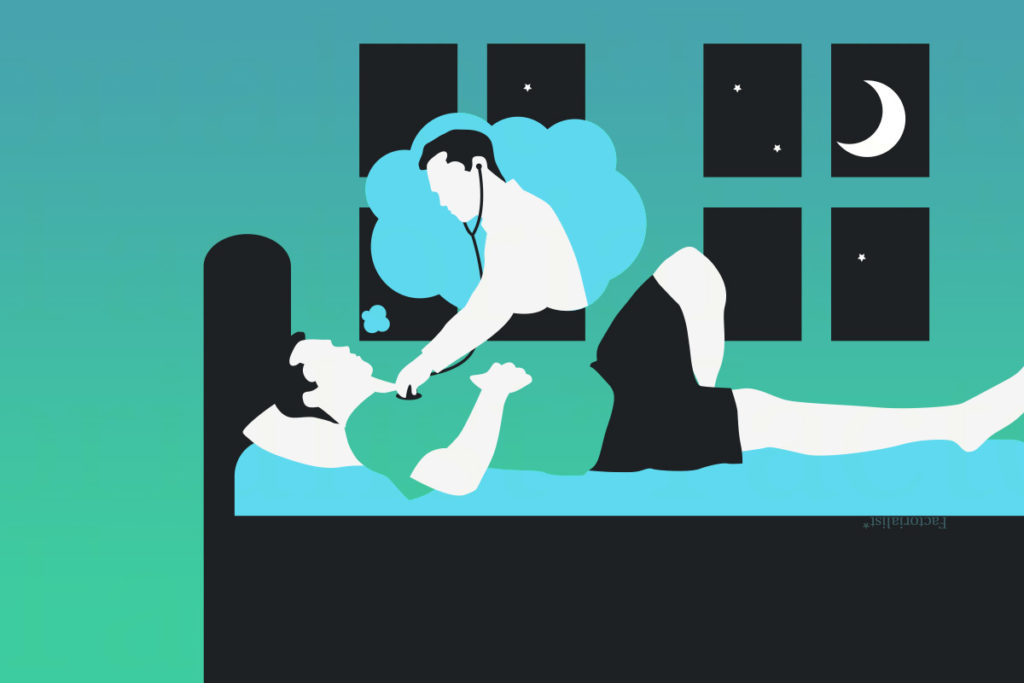
How? By letting negative thoughts come into your mind and then allowing them to leave without reacting to them.
What’s making you unhappy is your reaction to events and thoughts in your life. Stopping the reaction and using the meditation technique of non-reactivity will help you overcome some of your negative thoughts.

These same thoughts I’m referring to are patterns that you’ve ingrained in your mind. Breaking the pattern slowly is how you stack the odds towards being just a little bit happier again.


Take a deep breath: suffering is a must.

The idea that we all suffer will help ease some of your unhappiness. The realization that perfection doesn’t exist and suffering always will is a key concept in the happiness battle.

Okay, so you may have experienced death in your life or been rejected from your dream job. Get in line! So many of us have suffered the same fate.


Moments you’re not proud of shouldn’t destroy your happiness.

We all have a long list of moments we’re not proud of. My list today is this:

– I ate chocolate today even though I shouldn’t
– I was in a hurry and didn’t brush my teeth
– I yelled at someone because I was running late

These are minor bleeps in your day and we all do them – even if you’re Tony Robbins. Dwelling on these moments and how you let yourself down will make you unhappy.


Crank up the Zzzzz’s.

Being tired makes us pissed off and irritable. Don’t let a lack of sleep screw with your happiness. The challenge I’ve learned though is that the duration of sleep is not enough. Going to bed right after staring at your phone for two hours or drinking coffee/tea at night can mess your sleep patterns up.

Sleeping on time is another factor to consider. Going to bed after 10 pm will give you a lesser quality of sleep. Since the cavemen, we’ve been wired to sleep best between approximately 10 pm and 2 am according to the book “Sleep Smarter.”


Social events make a difference.

Frankly, networking events do my head in. The idea of explaining to fifty people one after another that I’m a blogger and also work in a bank is a drainer. It sucks all my energy. In the last week, I went to a Meetup for a large company, attended a public speaking competition and had dinner with my girlfriend’s friends.

During periods of struggle, these events seem like torture. I’ve often wondered about giving up networking and some types of social events altogether. What I’ve learned though is that after every one of these events I always end up being glad I went.

I thought about that over the last few days to understand why. It turns out, according to Daniel Gilbert, that social events are the goal of most things we do in life.

“We are happy when we have family, we are happy when we have friends and almost all the other things we think make us happy are actually just ways of getting more family and friends.”

Being social takes energy but the rewards are huge when it comes to happiness. There have been lots of studies that suggest an increase in income will still not make us as happy as being social. We’re programmed to be social beings.

We like to discuss ideas and tell stories. These simple life pleasures give us happy. My challenge to you is that if you want to be just 20% happier, then try adding one extra social event to your calendar.

“For a productivity junkie like me, socializing can seem hard because the outcome doesn’t appear to achieve any goal I have in my life. Well except one: being happy. I can’t achieve all my other goals if I’m unhappy all the time”


Smile at a stranger.

I’ve written about the benefits of smiling many times. Unfortunately, like most things, you have to try it to believe it. Smiling randomly at weirdos and strangers makes you happy. The best time to do it is in a lift. There’s this unwritten rule that in a lift you’re supposed to shut your mouth and not look at each other.

When you break that rule and smile at someone in the lift, they always smile back. You’re locked in a small room with them for at least a minute or so, and our manners force us to be nice.

In other words, we can’t help but smile back because we don’t want to appear awkward or rude when we’re essentially trapped with nowhere to go. Outside is a different story although I’ve still found people normally smile back when I smile at them.


Experiment with a gratitude tracker.

Our happiness can easily be railroaded by unexpected problems or challenges. I’ve found that using a daily gratitude tracker helps keep the good things front of mind.

When I’m really pissed off, I even go back and read the list of things I’m thankful for from past days.

It’s so easy to forget just how many things have actually gone well for you lately. Start with writing down one thing each day if you have to. It should take no more than ten seconds. Write down the first thing that comes to mind.

Noticing the things that bring you joy and bring you gratitude will absolutely make you 20% happier.


Spend one more hour a week doing something that brings you back to your purpose.

For me, that looks like blogging an extra hour a week. It brings value to so many and aligns me with my purpose in life. No matter the chaos that’s going on around me, blogging always centers me again and reminds me why I’m on this planet.

Seeing others get joy because I’m following my life’s purpose is the best way I’ve found to become 20% happier.

That’s because serving others will always bring you happiness. That’s the answer to the whole happiness riddle if you haven’t figured it out already.

If you want to increase your productivity and learn some more valuable life hacks, then join my private mailing list on timdenning.net


from
https://addicted2success.com/success-advice/how-to-be-20-happier-its-time-to-start-now/

4 Easy Ways to Develop a Bias for Action Right Now

Let me guess, you’ve been putting something off recently. You’ve been dreaming of starting a business, writing a book, or talking to that attractive person in your office, but something deep inside you has stopped you from taking action.

The human mind is fantastic at coming up with reasons for not taking action. The human brain is designed to keep us safe and to conserve energy. For that reason, we are programmed to look for risks and reduce the amount of work we need to do to in order to survive. When we weigh any potential action, we look for reasons that specific action or activity will fail. At the same time, we look for ways that we can conserve energy and get the same benefit from less effort.

What this means is that those who are able to act in an incisive way and focus their energy, have a tremendous advantage compared to their peers. Research shows that those who are able to develop the habit for action are many times more likely to be successful in business and in their relationships than people who describe themselves as procrastinators or are unable to take regular action.

This habit is called the “bias for action”, and it refers to the tendency to make decisions quickly and take action on them regularly rather than getting side tracked by worry or doubt. But how do you develop such a valuable habit? Through practice, plain and simple.

Here are four ways to develop a bias for action which will jump start your life:

1. Reduce distractions

One of the biggest reasons that people cite for not taking action is because they are overwhelmed by the number of things going on in their lives that they have to decide on. The more you are able to reduce the number of distractions you have in your life, the more you will be able to focus on what matters to you.

Consider turning off all of your mobile phone notifications except for those you absolutely cannot live without. Get better at saying no to people who invite you to events and activities. Learn to live within your means and conserve energy for what actually matters most to you.

“Work is hard. Distractions are plentiful. And time is short.” – Adam Hochschild

2. Count down from five

If you get stuck and start overthinking anything, you are less likely to make a move and act. One of the best books I’ve ever read on taking action is called The Five Second Rule by Mel Robbins. In the book, she describes a moment in her life where everything seemed to be falling apart.

She was 41, she was drinking too much, her work / life balance was nonexistent, and her marriage was falling apart. Things were not going well, and she knew something had to change. Sitting up late one night, she was watching TV and happened to see a clip of a rocket preparing for blastoff, with the requisite “Five… four… three… two… one… blast off” sounding off in the background. With that, she decided to implement the practice of counting down from five every time she knew she needed to take action on something but couldn’t.

3. Make smaller decisions

Most self-help books talk about developing a grand master plan and some overarching vision which will guide you and drive you forward. Sure, having a unifying mission and vision can be a great way of helping you define your far-off goals, but it can also be overwhelming when you’re just trying to live your everyday life.

If you have a high level goal or vision, that’s great, but don’t forget the importance of taking action every day on smaller things. Make it a goal to do something that is beneficial to your mind (read a book, talk to a mentor), your body (go for a run or a 30 minute walk), and your soul (meditate, go to a museum, or see an old friend) each and every day. The long term goals are important, but they won’t matter unless you manage to make the right smaller decisions on a daily basis.

“No matter how many goals you have achieved, you must set your sights on a higher one.” – Jessica Savitch

4. Create a decision engine

Once you start making decisions on a regular basis, the process will become addictive. Habits are made out of loops. There is a trigger which causes an action (habit). Upon completing that action (habit), you receive a reward, which releases dopamine into the brain. This, in turn, makes you seek out opportunities to engage with that initial trigger.

In order to create a strong habit around the “bias for action”, you need to create a system which helps to formalise that habit loop. Look for what trigger might push you to take action. Maybe you’re trying to lose weight and you want to go for a run each morning. Putting your shoes by the foot of your bed might be the motivation you need to get up and run first thing in the morning.

Maybe you need to get better about completing your work assignments on time, so you set aside two hours each Monday morning of uninterrupted time to plan out your week and schedule your most important actions. Whatever systems you put in place, make sure to make them as simple as you can. The more complex your plans are for jump starting your action habit, the less likely it will be to succeed in the long run. You don’t need a grand plan, you just need to start now.

How do you make decisions quickly and efficiently on a daily basis? Let us know in the comments below!

Image courtesy of Twenty20.com


from
https://addicted2success.com/success-advice/4-easy-ways-to-develop-a-bias-for-action-right-now/

Wednesday, 21 March 2018

Before You Make a Career Change, Try Doing These 2 Things

You can’t go into work anymore without a full-body shudder. The thought of doing whatever it is you’ve been doing for a couple years today is insufferable. The only way you’ve been able to get through the day is to fantasize about that big fat career change, and how much better life will be when you’re actually doing what you want.

So you find yourself putting in job applications. Work somehow becomes tolerable when you check emails in gleeful anticipation of your golden ticket: the second interview. You’re finally going to have meaning! You’ll be able to wake up and know that what you did counted! Most importantly, you won’t be stuck here anymore.

But I have a question for you. What’s to say you’re not going to repeat this process after you’ve been doing your next job for a couple years? Fact is, changing your job will only change your job. If you don’t manufacture meaning in your life through consistent personal growth and giving, you’re still going to crave change no matter how awesome your job is. So, before you submit another quick app on LinkedIn, and before you take that second interview, there are a couple things you should do first.

1. Start a regular giving practice

Part of desiring a career change is wanting to make a difference to people. You want to know that you’re exerting a positive influence through your skills and resources because you’re human—we need to feel connected to others, and that we’re using our talents. But what would happen if you started a giving initiative outside of work? How might that change the way you feel at your job?

Studies show that charitable giving leads to greater happiness and satisfaction, which spills over into workplace satisfaction (no matter what job you have). You can tap into this instant sense of meaning by designating a portion of your paycheck, 5-10%, to causes you’re passionate about or people you have compassion for, both locally and globally.

“You’ve got to make the jump.” – Steve Harvey

Start a new bank account specifically for giving and set up an automatic transfer. Then every week, or twice a month, depending on how much you want to give at a time, take an hour on the weekends to research where your money can make the biggest difference. Sites like YouCaring.com have a bevy of fundraisers from social causes to medical bills and disaster relief.

Another option is to start a note tab for giving and simply pay more attention to people’s needs in your community, in your circle of friends, in your family, and in your country. Write down ideas as you read the news or whenever you hear of an opportunity to give. Not only will you end up giving to more meaningful causes that you’re closely connected to,which studies show has a more positive impact on your wellbeing, the habit of note taking will make giving a more substantial and active part of your lifestyle, which multiplies the benefits.

2. Start planning for more of what you love outside of work

As adults, we get in the bad habit of making life about work. We prepare for work, we work, we come back and do things to relax from a hard day’s work, then we sleep so we can go to work again. Which kind of makes you feel empty at work…because life isn’t just about work! But if you don’t plan on doing the things you love, and doing them consistently, you’ll pin more of your happiness (or lack thereof) on work. Which might not be fair to your job.

So start planning for joy. Right now, write out a list of the things you’ve really wanted to do or haven’t done nearly enough of over the last few years—things that maybe you’ve been too tired to do, or that for some reason never seem to happen. They might be fun trips, sporting leagues you haven’t joined, dance classes you haven’t taken, language lessons you forgot about, volunteer meetups you put off—anything that would bring you joy and that you could improve.

Then every weekend, spend ten to twenty minutes drafting up a weekly list of the activities you’d love to do most and that you refuse to put off. Write down enough activities to where you feel excited about doing more than what you normally do, but not so much that you feel anxious about having to do all this extra stuff. You’ll strike a balance after a week or two.

“If you want to make a permanent change, stop focusing on the size of your problems and start focusing on the size of you!” – T. Harv Eker

Use a blank hard-backed sketchbook for this planning activity. Then every morning, in the same planner, refer to your weekly list as you draft up daily goals. Pick the things that are most realistic or appealing for that day. For instance, if you get off early on Wednesdays, or can work from home on Fridays, those would be good days to organize pick up basketball, or to drop in on that cooking class you’ve been dying to take.

Then write out the goal with a big checkbox next to it. You’ll know what to include when you take 5-10 minutes to plan out your day each morning. Last, you’ll want to set reminders in your smartphone that alert you of the activity you want to do. Once you start consistently planning for, doing, and improving at the things which bring you joy, you’ll feel a whole new world of opportunity open up for you. And your work life will improve because of it.

Conclusion

None of the advice in this article suggests that you remain at a toxic work environment or a job that doesn’t challenge you and enrich your life. Sometimes a big career change is exactly what you need, but oftentimes the case is that you’re not putting enough effort to make life great outside of work, which makes work the scapegoat, and which makes your “dream job” a will-o-the-wisp.

If you transition into another career or job without having brought meaning to your personal life, your work can never actually make you happy. So start a giving habit first, then plan out and do the fun things and learning experiences you want to accomplish as a daily habit. If you do this consistently for a couple months and still dread walking into the same workplace, then go for that second interview!

What advice do you have for starting a new job? What has worked for you?

Image courtesy of Twenty20.com


from
https://addicted2success.com/success-advice/before-you-make-a-career-change-try-doing-these-2-things/