Friday, 4 May 2018

7 Common Roadblocks to Clear Communication

Last night, I had one of my weaker moments of recent memory. I was at dinner with one of the dearest friends I have, casually discussing ideas for our evening together. We exchanged playful banter with one another, taking shots at each other’s inconsistencies with planning and executing.

In what felt like out of nowhere, the conversation leveled-up from meaningless nonsense to abrupt authenticity. I chose to ignore what was best for the conversation’s resolve and blurt out what first came to mind in defense of myself. I reached low for this one — to the depths my own insecurity.

My comment centered around his newfound relationship, that of which he was extremely excited about and invested in. My first attempt to retract my statement was to no avail. I stated that I felt attacked in that moment and that what I said was the only place I felt I could reach to silence anything further. But that wasn’t it.

The reality was my comment came from a much nastier, yet far more relatable place. Where it really came from was my jealousy of his newfound relationship, and my continuation of navigating life without a special person to share it with. I attacked my friend with the very thing I wanted most for myself.

Furthermore, I met his acknowledgement of my inconsistencies with aggression, as it’s clearly an area I’ve refused to confront for quite some time. Sometimes what shows up in the heat of the moment is more about short-term survival than long-term connection. It’s important that we remain grounded in our understanding that what our minds cook up and serve us isn’t always meant to eat.

Here are seven common linguistic patterns blocking us from the fulfilling relationships we always dreamed of:

1. Mind-Reading

There’s arguably no better way to make someone feel limited in their existence as attempting to predict what they’re going to say. One of the most precious gifts in life for human beings is a distinct voice. If I choose to cut it down by robbing them of their expression, I’m effectively taking away both of our voices in the process. If I’m being a truly uplifting friend or partner, I’m listening to them as who they could be and not who the past says that they are.

2. Labeling

Name-calling was once relegated to elementary school bickering, but it’s appalling to see how often it takes place among adults — especially those that care for each other. Labels are defined constructs of language, meaning there is a ceiling on the person they can become when I assign said label.

Moreover, the rapidness in which I want to label is startling — one correlated instance and I’m already inclined to box others in. By calling someone a name, I’m communicating that I’m not willing to put in the effort to understand their unique situation. I’m all for being lazy every now and again, but not at the expense of others.

3. Generalizing

The sister to labeling, generalizing is equally as lazy and equally as diminishing. Just because a person’s behavior repeats itself, it does not mean it’s “always” or “never” going to be a certain way.

By believing this to be true, I not only drive a wedge in my communication with others but the way in which I communicate with myself. I slowly depreciate my sense of curiosity and wonder by assuming that what’s so will always or never be — leaving very little reason to put forth any additional effort.

When I generalize, I check out from life. I throw my mind into neutral and look for what else may be wrong. I must keep my foot on the gas and look — really look — at what may be beneath the surface-level explanation I so desperately want to run with.

“All generalizations are false, including this one.” – Mark Twain

4. Jumping to Conclusions

Actions produce outcomes. We have thoughts about outcomes and feelings about thoughts, but we cannot think or feel an outcome in our external reality. Rather that succumbing to our thoughts and feelings about the events that unfold in our lives, we can take action to gain a firmer grasp on what was being communicated or the meaning behind what transpired.

5. Moralizing

Everyone has had a friend that can not control their temptation to advise what you should or shouldn’t be doing. And odds are, that person didn’t stay your friend for very long. Telling people what they need to do or how to live their life when the advice is unsolicited is a quick way to alienate your closest confidants.

If you really want to give advice that badly, you won’t be asked for it without being a supreme listener. Earn your platform to provide insight by lending both ears, as opposed to steamrolling the conversation with your mouth.

6. Re-directing

I used to have a nasty habit of calling people I care about to share something going on with me by means of asking about them first. I felt uncomfortable simply sharing outright what I wanted to and decided I would ask about them prior to, knowing I had little to no interest in that moment about anything but my issue I wanted to work through.

People can sense this immediately and it doesn’t make for a very empowering experience for either party, often resulting in a breakdown instead of a breakthrough. If I have something I want to confront in my life with another person, I ask them upfront if they would be willing to listen and work through it with me. Giving people a choice results in everything we want from our feeble attempts at manipulation.

“There is only one you for all time. Fearlessly be yourself.” – Anthony Rapp

7. Lying

My word is all I have. If I lose my word, I lose my ability to create something — anything — with another human being. The short-term resolve, satisfaction or avoidance is not worth it. Tell the truth. And I don’t mean “real talk” — essentially complaining disguised as truth. I mean the authentic truth — the one about where I’m imperfect and I’m pretending not to be. That one gets me much further with the people in my life.

This also includes the friend of mine I referenced earlier. Once I shared with him the source of my comment, I was met with compassion and respect. This wouldn’t have been possible had I not stepped outside of the temptation to leverage one of the aforementioned roadblocks. They may seem like an easy way to transition in the moment, but the cost of a meaningful and lasting connection is far too severe a price to pay.

Which of these seven roadblocks do you run into most frequently?  Let us know your plan to get around it in the comments below!


from
https://addicted2success.com/success-advice/7-common-roadblocks-to-clear-communication/

Thursday, 3 May 2018

3 Things to Look for When Choosing the Perfect Business Partner

When it comes to online business, the majority of companies online are solo ventures. While it’s great to have the fortitude to strike out on your own, you immerse yourself into a pool of high-stakes poker where only a small few have survived. In order to keep the odds in your favor, it can be a wise decision to select a business partner who can double your chances of winning in this competitive atmosphere.

If you’re scratching your head and wondering how you’re going to find the perfect business partner, don’t worry, this is where serial entrepreneur and investor Evan Luthra comes in. Evan has successfully worked with hundreds different business partners, and has learned from experience how to immediately evaluate whether or not a business relationship will work. I sat down with Evan to talk about how you can start searching for a person who will make your business work right alongside of you.

Here are Evan’s three best tips for locating that person, making the relationship work, and shouldering an even load to encourage faster success:

1. Relationships Are Key

Evan explains the most important aspect of finding that perfect business partner is through the relationships you already have or are currently building. In essence, this only works if you can get along with the person in the first place. Mr. Luthra suggests looking at your current selection of friends before you start meandering into the wild blue for an unknown stranger. It is possible you already know and love your business partner.

The great aspect about creating a business partnership with someone whom you already have a relationship means both of you understand what it takes to make the relationship work. You possibly already know each quirk, likes, and dislikes.

Evan says, “Being friends means you already have a great relationship. Running a business together is nothing less than actually being married. I have reached a point in my life that I mostly do business with people I am friends with first.”

When a relationship is successful it means all of the necessary ingredients have fell into place naturally. For one, trust is an important aspect of a business partnership. If you cannot trust someone, chances are you shouldn’t invite them to start a business with you.

“Success usually comes to those who are too busy to be looking for it.” – Henry David Thoreau

2. Know How to Balance the Load

Next, it’s essential to find someone who can do what you can’t. In other words, if your strengths lie more behind the content on the computer screen and not so much in conversational aspects of the business, you would want someone who can compliment this in your branding.

Your business partner could be an outgoing person who everyone loves to be around. That makes your brand friendly and approachable. On the other hand, when these people come to your business website, they’re getting you’re conversational writing which couples together nicely and starts the most important aspect of the business model – building a relationship with your clients and establishing trust.

When you can work hand in hand and balance the load with the skillsets you have coupled with the skillsets your partner has, make sure you define this area not by what you have, but with what you don’t have and start from there. This is another great way to counterbalance workload and responsibility within the business as well.

3. Look For A Positive Mind

In this tough world of business, any successful person has at least one great failure story. You can never celebrate getting up if you’ve never been down. It’s not possible to stand on top of the mountain without going through the valley first.

From my conversation with Mr. Luthra, I detected a solemn look as we spoke about this topic for the piece. Evan politely explained while you are looking to succeed, make sure you understand how to learn from failure. Not only should you have a positive mindset about this aspect of your business, but your partner should also be cranially resistant when it comes to failure.

Knowing trial and error are a crucial part of your business is important. This allows both partners to gradually evolve their business by being realistic with their expectations. Evan explains, “My business partners knew to prepare for the worst and not dwell.”

“If you really look closely, most overnight successes took a long time.” – Steve Jobs

The key is to stay positive, learn from your mistakes, and keep pushing forward. If you find a partner who can help you shoulder both the responsibility and the burden of a business it’s not long before you’re both seeing success.

Finding a perfect business partner is an art form. While the majority of online startups are usually “Me, Myself, and I”, you shouldn’t totally throw this idea out. The benefits vastly outweigh the negatives and there’s nothing like realizing there’s someone else out there with your goals and dreams.

When that happens, you metaphorically build train tracks, an engine, and the train cars. One set of engines may be in the front and the other set could be located in the back, but this makes no difference. The important part is, all engines are pushing in the same direction. It’s always nice to have someone help you pull the load.

What do you look for in a successful business partner? Comment below!


from
https://addicted2success.com/entrepreneur-profile/3-things-to-look-for-when-choosing-the-perfect-business-partner/

Being Criticised & Mocked Hurts Badly — Get Used To It If You Want To Be Successful.

Last week was hell! I have to make a very big career decision right now, I have to go to hospital next week and to top it off I opened my email to find a note from a friend showing a piece of content that was featured all over the internet that mocked me and criticised me.

Just when I thought I couldn’t handle any more stress, more stress came knocking at my door.


What happened?

A piece of content was created around me and my work. It was highly unfavorable, or so I thought initially. My first reaction was anger and hurt. I knew the internet could be a harsh environment, but this was bigger than anything I’d gone through before.

A comment is one thing but a piece of content from a well-known person of influence is far more challenging to get my head around.


When I’m heavily criticised what do I do?

I don’t stand still. First of all, I sleep on it.

The moment I saw the content that had my name in it I was upset, angry, tired and frustrated. I knew this was the worst mood for making rational decisions. I went to sleep as soon as I could although I didn’t sleep well.
I woke up the next day and tracked down the content creator who’d spoken about my work. They answered my phone call and I started out by asking about where they were from. I told them where I was from and a bit about me.

I dropped the question politely like this: “Hey I saw this post about me. I’d love to hear more about it from your perspective.”

Then I shut up and stopped talking.

Allow the silence to take over if need be – just shut up and wait for a response.

He explained to me what happened and a bit about the post.


It turned out I was wrong.

The post named me but it didn’t actually state a final viewpoint on my work. That was left up to the reader which I’d stupidly misunderstood in my rage and anger.

We then kept chatting and I got to see that this was a very kind, nice and humble man. My irrational thoughts that told me he was an asshole were wrong – surprise, surprise!

He came from a place I wanted to visit, he had similar influences as me and even had a trip organized in the future to come to Australia.

“I did the only thing that felt right in that moment: I told him he could stay at my place and I meant it”


I then explained to him a bit about why I do what I do and the fact that it’s not about celebrity status, proving other people wrong, followers or my ego: It’s about helping people.

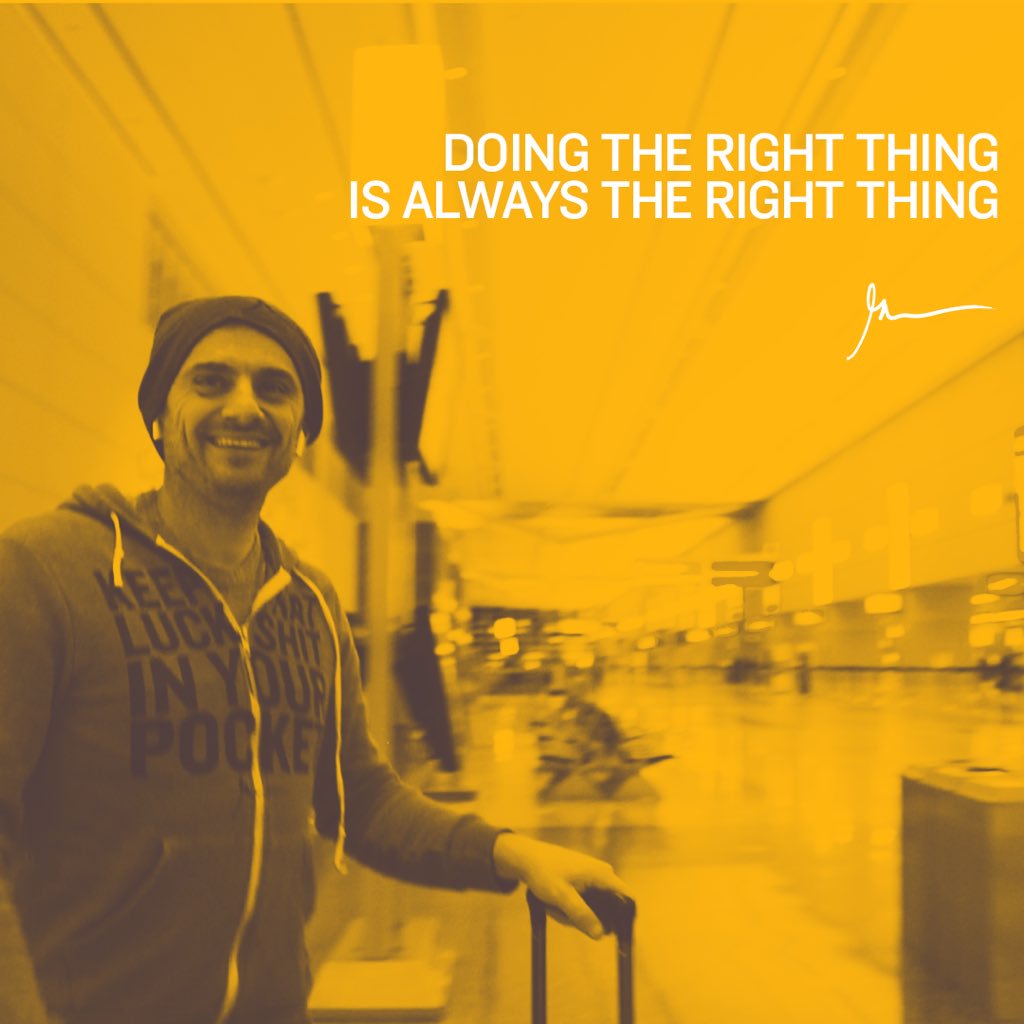
I told him the stories of suicidal readers who’d reached out to me and how I helped them. I shared my current thinking which is that doing the right thing is always the right thing.

By the end, we’d both gone from adversaries to understanding each other. I’d like to think there was a genuine connection and we thought very much the same – maybe I’m getting ahead of myself to go that far – nonetheless, it felt good.

I hung up the phone and vowed to keep in touch with him and I will.


It’s always best to talk it through.

The worst thing you can do in this situation is fire off emails, get your influencer friends together, start hostile hip hop wars, send legal letters, complain like a sook and think you’re the king of the hill.

“All of us are human. We all do dumb sh*t and we all make mistakes – even so-called self-help bloggers like me (I cringe at that title by the way)”

The best thing to do is talk it out over the phone and let your critic go first. Don’t interrupt them and don’t turn it into an argument fuelled by your ego and the need to be right. Listen.


People will support you in these moments.

What surprised me is that when this content speaking out against my work was released, friends I’d met through the internet (not in person) began reaching out to help. I felt so lost and these friends helped me.

One of them had gone through the exact same situation and I quickly saw that my problem was not unique. All of our problems are the same few flavors. He gave me great advice and I followed it. I thought to myself “If he can come out of it alive and with his dignity still intact then so can I.”


Always lead with kindness and show compassion.

That’s the superpower you need to deal with hurtful content that may be created about you online. Show compassion to the person that speaks out against you and try to see things from their perspective. Lead with kindness and watch your tone of voice.

It’s easy to get pissed off. It’s much harder to remain silent or calm.


You’re going to be criticised, mocked and encounter haters if you want to be successful.

This was the advice I gave to my friend who in the same week had the video he shot in his car, ripped to pieces by haters online. Instead of focusing on the points he was trying to get across in the video, his LinkedIn connections hurled abuse at him for driving while filming and for wearing sunglasses.

I told him that to be successful (especially online or as a blogger) you have to embrace criticism, haters and trolls. Funnily enough, the same applied to my mini-nightmare that I’d gone through that same week. I told him this:

“Never stop being you for any reason no matter how much people don’t like it.”

I also had to swallow this same advice when my moment in the spotlight of criticism came.
Everyone will not like everything you do. The need to build followers and have people like your work on social media has become this out of control dopamine drug that we all chase to the ends of the Earth whether we admit it or not.

Everyone is not supposed to hail you and worship you like a god. You’re not invincible, you will fall and you will be mocked. The question is will you get back up again and keep going? In my case, that’s exactly what I’m going to do.

That’s because success cannot be achieved through perfection.

If you want to increase your productivity and learn some more valuable life hacks, then join my private mailing list on timdenning.net


from
https://addicted2success.com/success-advice/being-criticised-mocked-hurts-badly%e2%80%8a-%e2%80%8aget-used-to-it-if-you-want-to-be-successful/

Wednesday, 2 May 2018

4 Ways Negativity Positively Impacts Your Life

Reading this headline, you are probably thinking “Another smarty on the internet who is going to tell me the fact that my life sometimes sucks is actually a good thing.” Yep, that’s me so let me fill you in and share with you a concept which totally transformed the way I see negativity.

When I got into the personal development space and created my motivational blog almost 3 years ago, I thought that I should talk about happiness hacks and possibly some unicorns here and there. But I learned very quickly that this was not my journey and I wouldn’t get under your skin unless I deal with real stuff.

I am one of those people who likes to find the light in the dark, who wants to dig deep down into the dirt and come up with the benefit of it. I love taking my emotional pain and making a freaking rainbow out of it just so I can reap its benefits.

Although I love the motivation and powerful inspirational messages we see and hear on a daily basis, I am tired of this “free lunch” mentality. There is no such a thing as we all need to pay a price. If we truly want to make it all the way without major mental injuries, we first need to understand the benefits of pain, hurt, struggle or any negative emotions and see them as blessings.

Here are 4 ways negativity positively impacts your life:

1. Mental stretching

Mental stretching is complete opposite of “free lunch” mentality which I mentioned earlier. Your inner transformation or “mindset upgrade” won’t happen unless there is some pain or challenge involved. The problem is that we are presented this idea of a quick fix and getting everything in a short period of time. When that doesn’t happen, we get discouraged, quit and stop working on ourselves.  

Real, powerful and sustainable growth follows when you decide to face the pain and do something about it. The best way to deal with negative emotions is by asking yourself this simple question: “How can I use it in my favor?” At first, it will piss you off. Then, it will allow you to work with negativity in a powerful way.  

“Reality is created by the mind, we can change our reality by changing our mind.” – Plato

2. It keeps your ego grounded

I remember when I sent out my first article to A2S. I was super nervous and totally scared of rejection. To my surprise, the response was positive. This encouraged me to write another one and again they liked it and decided to publish it. So, I didn’t hesitate and sent out the third article.

This time I wasn’t putting all my effort into writing it and it reflected on the outcome. Yep, as you guess, two approved articles made me feel like a superstar and raised my confidence way too high.

In their email, they kindly thanked me for my effort but politely explained that they are going to pass on it at this time. This email sent me right back to the ground and made me realize one of the most important things. In the words of Gary Vaynerchuk, we are never too big.

This rejection, which many of us consider to be a negative experience, gave me a lesson for life and made me understand that we are never too big to learn, to love, to forgive, to be kind and humble at all cost.

3. It makes you understand more

Negativity is probably the best teacher in life. I know, sounds brutal, but think about it this way. Why do some people who were born with a silver spoon in their mouth and given everything in the world  fail to “make it happen?” Why do many of them end up in drugs, living promiscuity lives surrounded by problems and toxic relationships?

On the other hand, you have another group who experiences poverty, a tough life, and unimaginable struggles. They thrive in life and produce one success after another. It seems only as a paradox if we don’t understand the power of negativity. Pain breaks ignorance and gives us a better understanding about life, about people’s feelings and the fact that we all go through it. It’s not just you and I, it’s everyone; we all fight.

“Opportunities multiply as they are seized.” – Sun Tzu

4. Intolerance leads to breakthrough

I bet you’ve had one of those moments when you said, “enough is enough.” It usually happens when something was bothering you or hurting you for too long. It was something you tolerated in spite of a fact that it wasn’t causing you any good.

It happens all the time. We get into the wrong relationships, end up in jobs which drain us and we live it although the dissatisfaction is getting bigger and the pain is getting more intense. All this cultimates in one day simply breaking down.

Suddenly, all those excuses don’t matter anymore. Fear disappears and there is no way that we are going to tolerate this painful lifestyle for one more minute without actually doing something about it. That’s when those positive and giant breakthroughs happen since the current situation becomes intolerable.

Conclusion

Breaking this illusion of a “perfectly positive” life is the first step to own the happiness we seek every day. If we believe The idea of happiness meaning being problem-free brings more pain in the form of disappointment in regards to “how things should be.”

Here is the truth, negativity is the way to positivity. That’s how we get it, that’s how we live it and that’s how we experience it. Do me a favor and look back. Look at your breakthroughs, look at those most powerful moments of your life and your biggest victories. What was the reason that they became your reality?

Do you look for the positive in the most dire of situations? If so, does it help your moral? Let us know your experiences in the comments below!


from
https://addicted2success.com/life/4-ways-negativity-positively-impacts-your-life/

The Secrets Of Your Business Are Not That Secret.

I was chatting to a distant friend about his business. I was asking basic questions like who did his videos, who was posting the beautiful Instagram photos and where he sourced talent from.

He then got pissed and said the following:

“So, you’re asking for my business model?” in a sarcastic tone.

I asked another question around whether he may know any good freelancers and he said: “You have a network, don’t you?”

Both responses show me one thing: he had a scarcity mindset.

I wasn’t trying to get the ancient secrets from thousands of years ago. The questions I was asking were out of curiosity more than anything.


Your business is not that secret.

I didn’t say this to my friend, although I should have. Most things about your business can be found out. His business model, for example, was easy to work out. He sells a course and does consulting. You only have to watch his videos to see this.

The people he employs are also easy to find if I wanted to steal them – which I don’t. All it takes is a Google Search and a bit of looking at his LinkedIn connections to work it out.


Hoarding information is ridiculous.

If my friend helped me then what he didn’t realize was that I could have brought him in. He could have actually been brought onboard as a consultant. I may have even used his services to help with producing videos.

“You lose more by hoarding your information than you do by giving all of it away”


Being sarcastic does not hide your scarcity mind.

The sarcasm I received from this friend was a cover for the fact that they are scared. Not wanting to share is the sign of someone who may have a scarcity mindset driving their decisions. This friend once told me that they wanted to buy a house in the next 12 months.

Maybe they saw me as a hindrance to that dream which is why they kept everything secret. What he forgot is that to get the house in 12 months, you need to work hard and collaborate. Trying to do it all yourself won’t get you that nice new house with a white picket fence in one year.

“Compounding your efforts through collaboration adds more value thus resulting in more money”


Cost of missed opportunity.

Given the outcome of this conversation, it’s fair to say I wouldn’t ask this friend for help again and will reconsider their friendship. It’s not because they didn’t help; it’s because the way they said no and the selfishness behind their intent doesn’t vibe with me.

Selfishness repels people from you and being sarcastic and overly blunt is unnecessary. The thing is, the people that act in this way forget about the cost of missed opportunity. What does this mean?

Simple: in the future, I probably won’t work with them again which means that they could be missing lots of opportunities. Only two weeks earlier, for no reason at all, I referred this person to a new client because I like their work. I didn’t ask for anything, it just felt like the right thing to do.

If given the option again I probably won’t make the same decision. By making foolish, selfish, short-term decisions, you affect your chances of getting opportunities in the future. This screws your dream of buying a house in 12 months.


Here’s the secret.

Most of your business is not that secret. Hoarding your ideas and connections like you’re the CIA will give you the opposite result you’re looking for.

People remember kindness, love, compassion and how you make them feel. Selfishness, sarcasm and a big ego doesn’t make anyone feel good.

The secret to business is there are no secrets.

If you want to increase your productivity and learn some more valuable life hacks, then join my private mailing list on timdenning.net


from
https://addicted2success.com/entrepreneur-profile/the-secrets-of-your-business-are-not-that-secret/

Tuesday, 1 May 2018

3 Ways to Make Decisions When You Are On The Fence

You’re trying to figure out how to answer a question but you simply can’t. There are options and then, there are more options. You can’t eliminate a single one because they all seem so good, feel so good but at the same time, you know you can’t take them all. Well, I know what it feels like so I have made a framework which you can use to make decisions when you are on the fence.

Here are 3 ways to make the tough decisions when you are sitting on the fence:

1. From chaos comes order but from order comes chaos

Life has a great sense of humor and by that, I mean that life is not a straight line, but a continuous circle where the journey is the one that matters. So you can, and probably will, end up at the same place where you started but you will be a different person. Your motivation will be different, your reasons for doing and being will be different and the way (and why) you do or don’t certain things will be different.

With this in mind, order will come only from chaos but that order won’t last. It will become chaos again and that chaos will become order again… you get the point. The journey is the one that matters because that is where you grow.

If you are on the fence right now, consider where you currently are on the journey. If you are currently in order, it’s time for chaos or some turbulence. Knowing this, you should take the option which brings you chaos in life. That might be a big move to another city, starting your own business or basically anything that upsets your life (makes it more chaotic).

If you are currently in chaos, it’s time for order so you should take the option which brings order in your life. That might be staying (and committing) to that relationship, making that habit last or not travelling for 100 days in a year. Remember, both of these are needed for growth in life and both of them will pass. You just have to take the one which is next in line.

“Take a chance! All life is a chance. The man who goes farthest is generally the one who is willing to do and dare.” – Dale Carnegie

2. Simply do what is before the word “but” (even if it makes you hungry)

If you ever need to make a decision and you use the word “but,” you should simply do the thing you said before the word “but.” I had an option to work for one year for a non-profit a couple of years ago BUT the salary was almost non-existent (50 EUR/month).

I knew that it won’t be enough and that I will probably be hungry by doing that for a year but, it was about working for something I believed in. So my option was: “I believe in the vision and I want to work on that BUT if I do that, I won’t have enough money to buy food.”

So I did what I told you above – I chose the option before the “but.” And yes, I was hungry because there were days where I didn’t even have money to buy bread. I lost 23 kgs (50 lbs) in 6 months because I couldn’t always eat.

How did I justify this to myself? I simply got lean and that was great because I managed to reframe hunger into something beneficial for me (getting lean). So if you have an option and there is a “but,” just do the thing before the word “but.” It will make your life simple BUT not easy.

3. Do what is in your 1%

This is something Mark Manson talks about in his work. You can divide everything there is in this world in two categories: Things you don’t care about and things you do care about. Things you don’t care about should take around 99% of the things happening in the world and around you. It means that you don’t care that your neighbor didn’t say hello this morning or that your muffins got only one chocolate sprinkle instead of two or that you are wearing a white shirt instead of a blue one for the family reunion.

It means that you don’t care about the things that are not crucial to you. They are completely meaningless and you are indifferent (flexible) towards them.  And then, there are the things that you actually care about.

This should be only around 1% of the things in the world and around you. These are just a couple of things you are willing to live for and also willing to die for. This concerns your life vision, your dreams and your life’s meaning and existence.

“The most important thing is to enjoy your life – to be happy – it’s all that matters.” – Audrey Hepburn

So when you have a decision to make, consider if the thing you are making a decision on is something you care about (1% of everything) or something you don’t care about (99% of everything). I don’t care if I wear a red, blue or black shirt or if I will walk to work or take a taxi/share ride or if I will take a vacation in Croatia, Spain or Greece. I’m totally indifferent toward those things.

But what I care about is my writing and the quality of my work – there is no compromise there. This way you save your energy for decisions that matter in your life, that 1% which you actually care about.

Do you struggle to make decisions? If so, which one of these perspectives will you implement to help you? Let us know in the comments below!


from
https://addicted2success.com/life/3-ways-to-make-decisions-when-you-are-on-the-fence/

How To Make The Right Career Decision.

What should I do with my career?

“I have no idea. Should I quit my job, seek a promotion or suck it up and keep grinding it out?”

We’re all faced with these questions. I’m faced with them right now. Everyone has an opinion about what you should do. Your mentors try and tell you what they believe you should do. All of the opinions end up swirling around our heads like an out of control tornado.

No decision ends up getting made in this state of mind and so you never take a risk and stay in that job you hate.


It’s your choice.

That’s the harsh reality. Only you know what the right career choice is and your former boss or the Internet can’t make the choice for you.

In the last few years, there’s been a lot of research done into gut reactions and the connection to your brain. When faced with my own career decisions I tend to pick the one that makes me slightly anxious (which helps us grow) and the one I get a strong gut reaction to.


Avoid bad advice.

Things such as:

–    Wait for the right time – it’s never the right time.

–    Keep thinking about the decision and you’ll figure it out – no you won’t.

–    Find people who are more successful than you and ask them – they don’t know you like you do.

The three tips above don’t work.

Only you can make the right career decision and no amount of time, thinking or numbers of successful people can change that. If something feels wrong in your career, fix it. Quit waiting for things to get better and take action.


What’s holding us back from that big career decision?

Not knowing what you want. You have to get clear about what you want in your career. A great exercise to try is designing your ideal workweek and figuring out what activities and tasks you love doing.

Often when we don’t know what we want it’s because we let fear into the driver’s seat of our life or we’ve ignored our gut reactions for so long that we’ve drowned out our own internal voice.

“Suppressing your thoughts and emotions and telling yourself you’re happy with your career only makes things worse”


Honesty with yourself makes career decisions easier.

The current career you have may suck, yet each day you wake up and think it’s good because you have cool work colleagues, earn lots of money, like the nice office or because it’s close to home.

All of these attributes of your work are fantastic but if you hate the work you do, no amount of nice furniture or good colleagues is going to change that.

These things are short-term incentives. In the long-term, if you don’t make the right career decision and do something you love, you get old and realize that you have a bucket load of regrets. This makes you feel even worse.

“You can’t avoid your dream career forever”


Warning signs in your career.

Are you pumped to go to work on Monday morning?

Do you obsess over how quickly the weekend comes around?

Are you fussing over the weather?

Are you waking up late for work?

Do you count down the minutes to lunchtime?

Do you shy away from taking a promotion or applying for the next role?

Do you constantly dream about starting a business?

These are all warning signs that something needs to change in your career. In other words, you need to make the right career decision instead of taking the easy road you’ve been driving down for years with cruise control enabled, your hand out the window and no cars in front of you.

You can ignore the warning signs for a while until you’re forced to make a major career decision. Either you’re not performing well enough, there’s a company restructure, you lose your job, you get demoted, etc. Eventually, you have to make a career decision that is right.

If you wait too long, you’ll be forced. Making a career decision because you want to instead of being forced to, is less stressful to manage. Avoid the warnings and you’ll have one of those dreaded career meltdowns – eventually.


My current career decision story.

I’m sharing this story with you to remind you that everyone (including a viral blogger) has these same issues. All of our problems are the same. Remember?

A few months back, I started looking for my dream career. I applied with four different recruiters, worked the LinkedIn Job Centre, met with all of my main business contacts and even sent cold emails.
It took about three months and I was down to five options. The option I wanted the most had been something I’d thought about since 2013. The company had always been on my radar and at the same time I was looking, they contacted me.

Now I’m not going to get all spiritual and say it was “The Universe.” Let’s just call it good timing for now. After a few calls, it was clear that this career opportunity was going to be a viable option.

All of a sudden, out of nowhere, I was blinded by doubt, anxiety and the belief that I couldn’t do it. All the faith I had in myself died away.

That’s when I used some of the techniques in this article to get to the bottom of the issue. Upon a lot of analysis, I realized a few key things:

–    My gut reaction said do it

–    It felt right regardless of the enormous growth required

–    My current career had hit a plateau and I’d been with the same company for 6 years

–    The people I was dealing with felt like family and honesty was at their core

This self-reflection made me realize that the right career decision may not be the easiest. It sounds obvious and most good advice is. It goes deeper than that. I realized I had some limiting beliefs about who I was and who I could become.

Once I addressed these and realized that no one has all the answers when they embark on a new career, I started to convince myself of what I had to do. The very fact that I didn’t have all the answers is what forms the new blank canvas I was so desperately seeking.

Not knowing everything is a gift. It means I have to grow and learn to find the answers and the human mind loves a puzzle.


We’re making things too complex.

In the story I just told, one of the challenges I realized we all face is that we try and make career decisions really complex. I’ve found that the right career decision is made up of these simple components:

–    Doing something you love

–    Being forced to grow

–    Getting uncomfortable for a while

All of the other factors we bring into the mix cloud our judgment and force us into overthinking mode.


You must decide.

“The career decision you must make is the one you think about so often”

Maybe you’re lucky and you don’t have these thoughts. If you’re in that 1% bracket, then ignore this advice. For the rest of us, we must turn these thoughts of what we want our life’s work to be into a reality.

The quicker we make the right career decision, the sooner we can get on with the job of being passionate day-to-day. Your career can be something that you love and not all about making money.

I’ve learned over the last few months with my own career decisions that I am the puppet master. Making the right decision sooner will relieve a lot of the wasteful thoughts you have.

Doing something you love will change the way you treat people, how you react to negative situations and even the time you spend with your family.

Being pissed off because of your career is not normal. Acknowledge if that is you and do something about it.

The right career choice is just around the corner.

If you want to increase your productivity and learn some more valuable life hacks, then join my private mailing list on timdenning.net


from
https://addicted2success.com/success-advice/how-to-make-the-right-career-decision/